Last summertime, I visited a tiny water treatment plant where the group was scraping their heads. The circulation meter analyses really did not match the manual logs, and dimensional inspection services EML Calibration the stress sensing units seemed off by a surprising margin. That's when the plant supervisor informed me, "We can not afford one more unanticipated downtime-- our customers rely upon us to supply regular outcomes." This discussion drove home one factor: onsite calibration isn't simply a box to check; it's a way to keep your procedures running smoothly and your instruments trustworthy.
Why Onsite Calibration Matters
Envision you're measuring the moisture material in grain before storage space. If your sensor drifts out of tolerance, you could end up with musty batches or lost produce. Onsite calibration makes certain that your tools-- whether they gauge temperature level, pressure or moisture-- are doing as expected, without the inconvenience of delivering them back to a lab.
Preventing Costly Downtime
Downtime is the adversary of efficiency. When an important instrument heads out of specification, you encounter unplanned quits, revamp and even safety and security risks. Field service technicians who perform onsite checks can spot concerns early, rectify the tool, and send your team back on its method-- usually within hours as opposed to days.
Making Sure Safety with Pressure and Temperature Measurements
In sectors like petrochemicals or pharmaceuticals, incorrect pressure or temperature level analyses can activate alarm systems or, worse, unsafe occurrences. Regular onsite calibration of sensing units and control loops aids maintain conformity with safety requirements and safeguards your individuals and your plant.
Common Instruments for Onsite Calibration
Every facility has its best instruments. Here are a couple of that frequently need area focus:
Flow Meters and Moisture Sensors
Circulation meters assist track fluid activity in pipes, while dampness sensing units guard against item wasting. Both can wander gradually due to use or environmental factors. Field technicians use recommendation requirements to readjust readings back to the factory requirements, guaranteeing your information remains trustworthy.
Torque Wrenches and Hardness Tester Calibration
A torque wrench that's even slightly out of calibration places bolts in danger-- either as well loose or overtightened. Likewise, a firmness tester with a manipulated output can result in elements that do not meet product specifications. Onsite calibration deals with these variances without sending out the tools offsite.
Particle Counters and Nondestructive Testing Instruments
When you're monitoring air-borne impurities or surface defects, a miscalibrated bit counter or a nondestructive screening gadget can give incorrect guarantees. Service technicians bring portable standards to the field, verifying that the tools still meets discovery thresholds and changing where necessary.
The Onsite Calibration Process
While each tool has its own peculiarities, the total process usually adheres to an acquainted path. Breaking it down can aid you recognize what to expect when scheduling calibrations.
Preparation and Preparation
Prior to establishing foot on your site, the calibration group reviews your tools listing, historic performance data and any kind of resistances you require. They'll guarantee they onsite calibration have reference requirements for pressure, temperature and other criteria, plus any kind of adapters or placing equipment required to attach to your tools.
Calibrating Instruments in the Field
As soon as on website, professionals confirm the zero and period points of each device. For a flow meter, they could compare the output versus a qualified volumetric criterion. For a moisture sensing unit, they'll make use of a recognized dampness block to see if the reading straightens. After changes, they'll document the before-and-after analyses so you have a clear document of performance.
- Minimized unplanned downtime Boosted safety and security and conformity Greater precision for vital procedures Extended instrument lifetime Expense financial savings contrasted to replacement
Making Calibration Part of Your Routine
Calibration isn't a one-and-done task. To genuinely profit, you need a strategy that balances frequency with the demands of your process.
Organizing and Frequency
Exactly how often should you calibrate? It depends upon usage, ecological aspects and the degree of accuracy called for. High-use tools in rough problems may need checks every 3 months, while steady laboratory devices might stretch to yearly intervals. A clever schedule tracks due dates, informs you prior to expiries, and logs results immediately.
Partnering with Professionals
While it's feasible to train internal team, dealing with a specialized team brings advantages: up-to-date referral criteria, specialized adapters for various sensors, and experience in areas from nondestructive screening to instrument calibration for torque wrenches. Outsourcing can release your team to concentrate on core procedures while guaranteeing conformity.
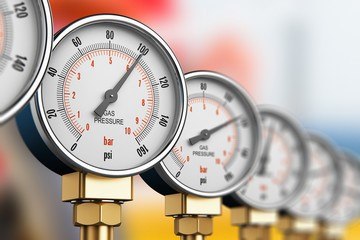
At the end of the day, precise dimensions maintain your procedures reliable, your items top quality and your team secure. Whether you're adjusting a crucial flow meter in a chemical plant or a solidity tester in a production line, onsite calibration is the bridge between theory and real-world efficiency.
For additional information on constructing a calibration program customized to your requirements, connect to EML Calibration as a trusted source in area solutions and accuracy dimension.
Name: EML Calibration
Address: 998 Elm Hill Pike, Nashville, TN 37210, United States
Phone: (888) 846-4614
Website: https://www.emlcalibration.com/